1
Reconstructive Care
Trauma Reconstruction Planned Around Function, Healing, and Appearance
Trauma reconstruction addresses injuries that may affect the skin, soft tissue, facial features, hands, or visible body areas. The aim is to restore protection, function, symmetry, and a more settled appearance wherever medically possible.
Every trauma case is different. I first assess tissue condition, timing from injury, infection risk, scarring, movement, sensation, and the patient's priorities before recommending repair.


Individual Plan
Function, scar, and healing review
Realistic repair starts with careful assessment.
Dr. Zulqarnain Younas
Suitability
When Trauma Reconstruction May Be Considered
Some injuries need urgent repair, while others are improved after swelling settles or scar tissue matures. The plan depends on safety, timing, and tissue quality.
Facial cuts or soft-tissue injuries
Tissue loss after accidents
Irregular scars after wound healing
Functional tightness or distortion
Visible contour or symmetry changes
Delayed reconstruction after initial emergency care
Consultation and Assessment
The Repair Plan Starts With Tissue, Function, and Timing
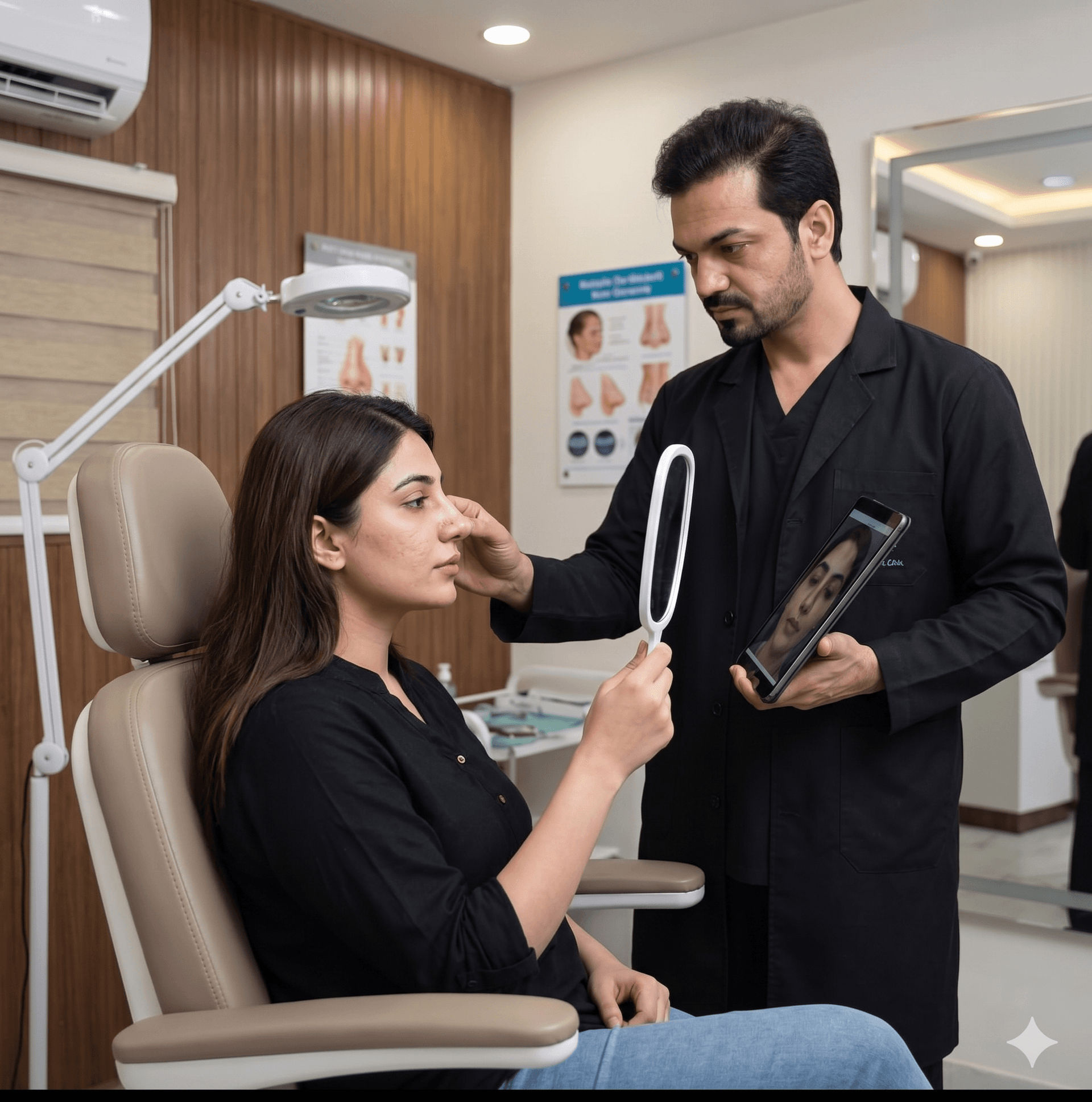
A reconstructive consultation reviews the medical history and the local problem together. Timing matters because swelling, infection risk, scar maturity, blood supply, and future treatment can change the safest plan.
Wound history and previous treatment
Blood supply and tissue health
Movement, sensation, and function
Scar direction and tension
Infection or delayed-healing risk
Need for staged repair
Treatment Options
A Realistic Reconstructive Approach
Treatment may involve scar revision, layered wound repair, local tissue rearrangement, grafting, flap coverage, or staged reconstruction. A conservative plan is often better than rushing a complex repair.
2
Layered closure for better tissue support
3
Local flap rearrangement when tissue is missing
4
Skin grafting where coverage is needed
5
Staged refinement after initial healing
6
Follow-up scar management
Recovery
Recovery, Scar Care, and Follow-Up
Recovery depends on injury severity, location, blood supply, infection risk, and whether the reconstruction is single-stage or staged.
Early swelling, bruising, and tightness are expected after repair.
Dressings and wound care must be followed closely to protect healing tissue.
Scar maturation usually takes months, and scars often continue changing for a year or more.
Some cases require secondary refinement after the tissue becomes softer and safer to revise.
Safety
Safety and Realistic Expectations
Reconstructive surgery can improve function, coverage, comfort, and appearance, but it works within the limits of tissue quality, blood supply, scarring, health, and healing biology.
Medical history and wound assessment
Realistic functional and cosmetic goals
Staged planning when safer
Scar and healing guidance
Follow-up aftercare
Patient privacy
Philosophy
In trauma reconstruction, the priority is not only closing a wound. It is restoring tissue support, protecting function, and giving the scar the best realistic chance to settle.
Trauma Reconstruction FAQs
Can old trauma scars be improved?
Many old scars can be softened, redirected, released, or made less noticeable, but they cannot be erased completely. Suitability depends on scar type, location, skin quality, and tension.
Is trauma reconstruction always done in one surgery?
Not always. Complex injuries may need staged repair, especially when tissue quality, blood supply, swelling, or infection risk makes a gradual approach safer.
When should I book a consultation after an injury?
If there is an open wound, exposed tissue, infection concern, or functional problem, assessment should be prompt. For mature scars, consultation can be planned once the area has settled.
Private Consultation
Discuss Trauma Reconstruction Privately
Bring any previous reports, photographs, operation notes, or treatment history so the repair can be assessed realistically.