1
Post-Cancer Reconstruction
Post-Cancer Reconstruction After Tumor Removal or Tissue Loss
Post-cancer reconstruction helps repair defects after tumor removal, biopsy, or cancer-related surgery. The plan depends on the defect, pathology, future treatment needs, and tissue condition.
Cancer reconstruction must respect medical safety first. I review pathology, margins when available, future oncology treatment, wound condition, and patient priorities before planning repair.


Individual Plan
Function, scar, and healing review
Realistic repair starts with careful assessment.
Dr. Zulqarnain Younas
Suitability
Post-Cancer Reconstruction May Address
The reconstructive plan is coordinated around medical clearance, defect location, and whether future treatment such as radiotherapy may affect healing.
Defects after skin cancer removal
Facial, scalp, or body tissue loss
Contour changes after excision
Scars after biopsy or tumor surgery
Delayed reconstruction after oncology care
Revision after previous reconstruction
Consultation and Assessment
The Repair Plan Starts With Tissue, Function, and Timing
A reconstructive consultation reviews the medical history and the local problem together. Timing matters because swelling, infection risk, scar maturity, blood supply, and future treatment can change the safest plan.
Pathology and margin status
Defect size and location
Radiotherapy or chemotherapy history
Skin quality and blood supply
Functional structures nearby
Timing and staging safety
Treatment Options
A Realistic Reconstructive Approach
Treatment may include local flap repair, skin grafting, scar revision, contour correction, delayed reconstruction, or staged refinement after the cancer treatment plan is clear.
2
Skin grafting for coverage
3
Scar and contour revision
4
Delayed reconstruction after oncology care
5
Functional reconstruction near eyelids, lips, or nose
6
Staged refinement if tissue is fragile
Recovery
Recovery, Scar Care, and Follow-Up
Healing may be affected by previous surgery, radiotherapy, medical conditions, and the type of reconstruction used.
Wound checks are important after reconstruction.
If grafts or flaps are used, blood supply is monitored closely.
Scars and contour changes continue to settle for months.
Future cancer surveillance should continue with the treating medical team.
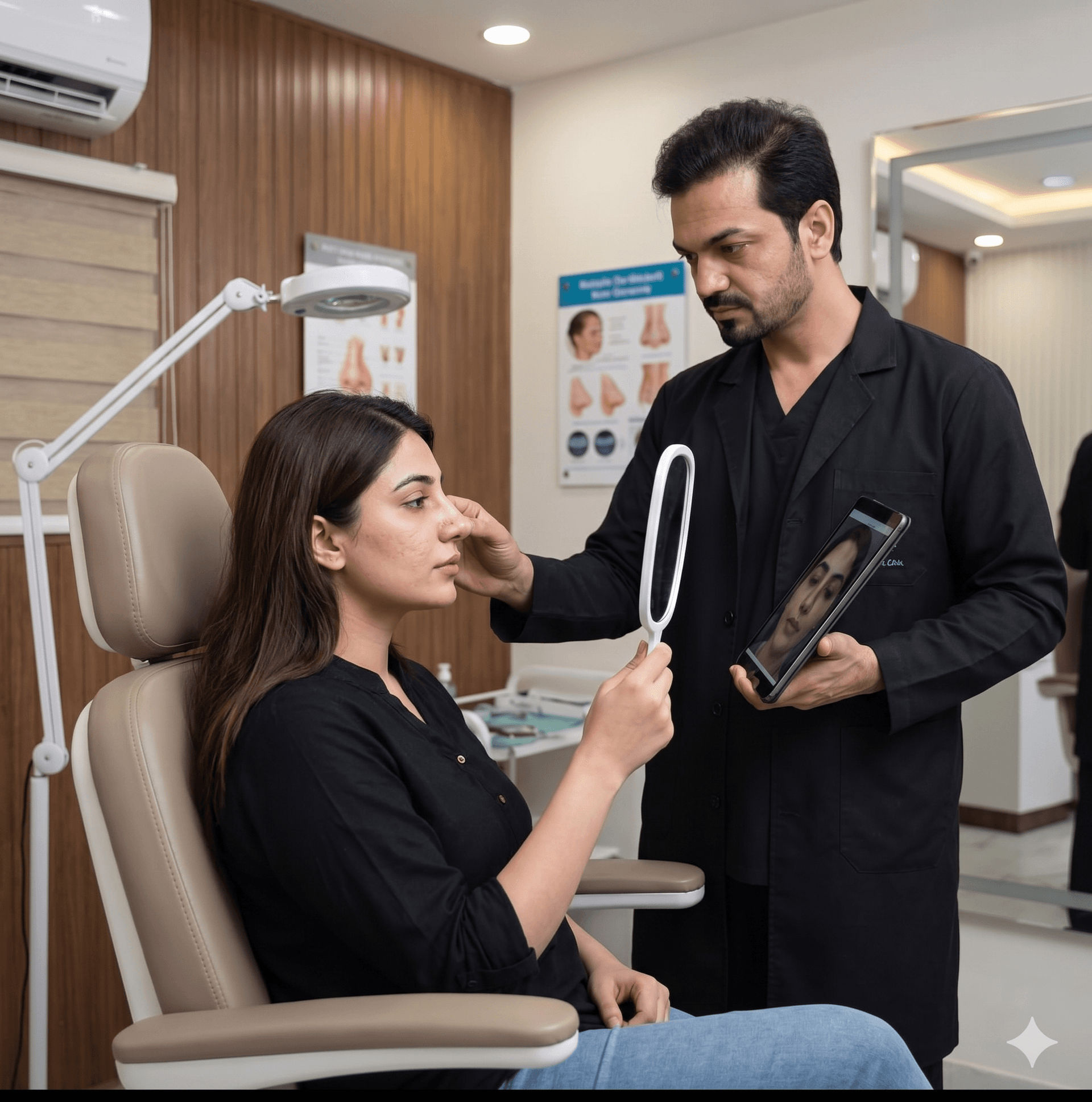
Safety
Safety and Realistic Expectations
Reconstructive surgery can improve function, coverage, comfort, and appearance, but it works within the limits of tissue quality, blood supply, scarring, health, and healing biology.
Medical history and wound assessment
Realistic functional and cosmetic goals
Staged planning when safer
Scar and healing guidance
Follow-up aftercare
Patient privacy
Philosophy
Post-cancer reconstruction should never compromise cancer care. Repair is planned around medical safety, clear communication, and honest expectations.
Post-Cancer Reconstruction FAQs
Do I need pathology reports for consultation?
Yes, if available. Pathology reports, margin status, oncology notes, and previous operation details help guide safe planning.
Can reconstruction be done immediately after tumor removal?
Sometimes, but timing depends on the cancer type, margin status, defect, and whether additional treatment is expected.
Can radiotherapy affect reconstruction?
Yes. Radiotherapy can change skin quality, blood supply, and healing, so it must be considered in the plan.
Private Consultation
Plan Reconstruction Around Cancer Safety
Bring pathology and oncology documents where possible so timing and reconstruction options can be discussed responsibly.