1
Facial Reconstruction
Facial Reconstruction for Tissue Loss, Scars, Asymmetry, and Function
Facial reconstruction aims to restore facial protection, movement, contour, and symmetry after trauma, burns, tumor removal, congenital concerns, or previous surgery.
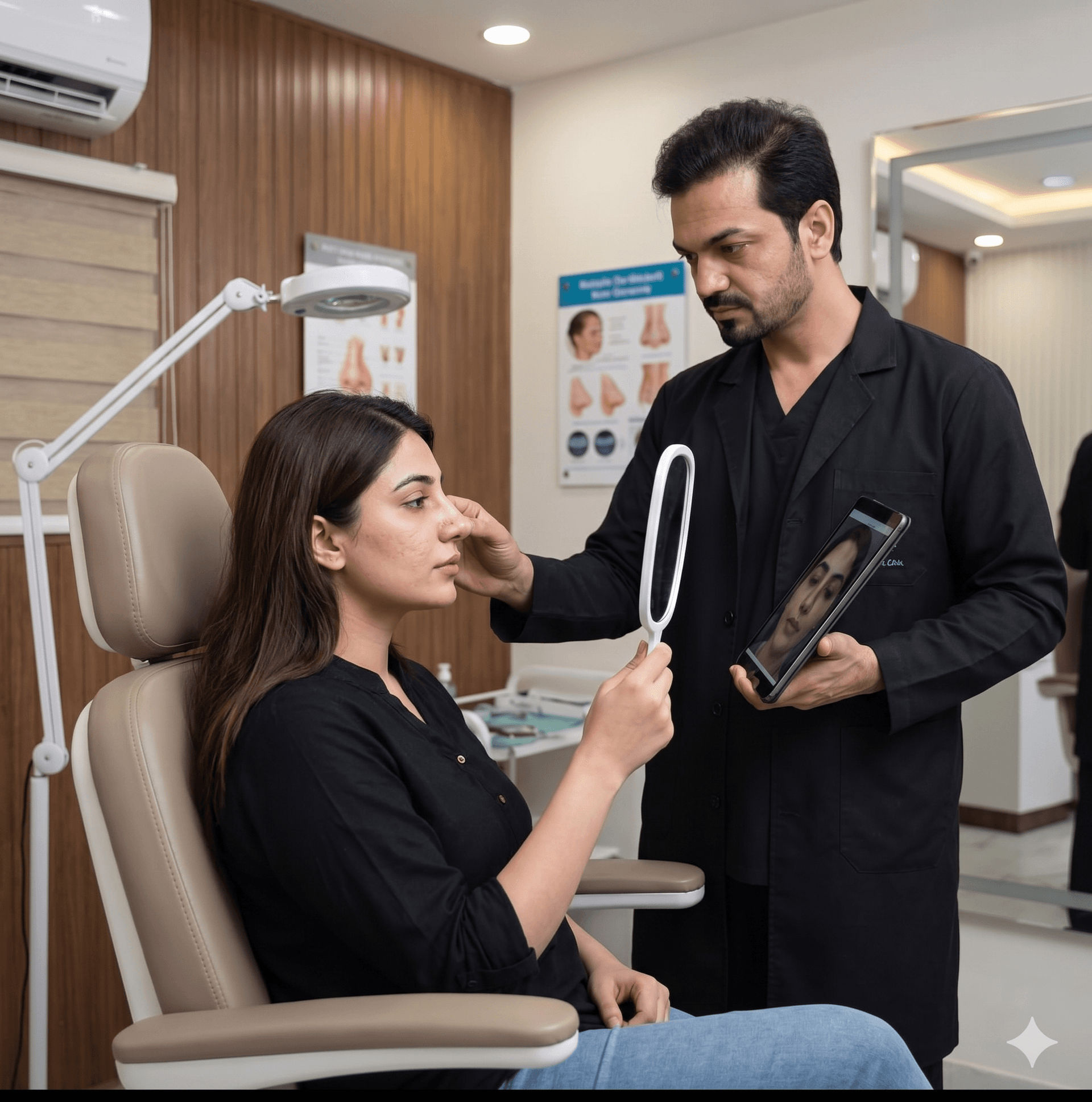
The face requires careful planning because small changes can affect expression, eyelid closure, breathing, lips, scars, and overall balance. I assess both function and appearance before planning repair.


Individual Plan
Function, scar, and healing review
Realistic repair starts with careful assessment.
Dr. Zulqarnain Younas
Suitability
Facial Problems That May Need Reconstruction
Facial reconstruction can be simple or complex depending on tissue loss, scar tension, and the structures involved.
Facial wounds or tissue loss
Eyelid, lip, nose, or cheek distortion
Post-trauma facial scars
Burn-related facial tightness
Defects after lesion removal
Facial asymmetry after previous injury
Consultation and Assessment
The Repair Plan Starts With Tissue, Function, and Timing
A reconstructive consultation reviews the medical history and the local problem together. Timing matters because swelling, infection risk, scar maturity, blood supply, and future treatment can change the safest plan.
Facial units and natural crease lines
Eyelid, lip, nose, and cheek function
Skin quality and scar tension
Previous surgery or trauma history
Need for graft or flap coverage
Staged refinement planning
Treatment Options
A Realistic Reconstructive Approach
Treatment may include local flaps, skin grafting, scar revision, layered closure, tissue release, contour correction, or staged reconstruction depending on the involved facial area.
2
Skin grafting for selected defects
3
Scar revision along facial lines
4
Eyelid, lip, nose, or cheek support
5
Contour and soft-tissue balancing
6
Staged secondary refinement
Recovery
Recovery, Scar Care, and Follow-Up
Facial tissues can swell and change for weeks to months. Scar care and follow-up are central to the final result.
Swelling and bruising vary by facial area and procedure type.
Sutures, dressings, and wound care must be followed carefully.
Scar protection from sunlight is important during maturation.
Secondary refinement may be considered after healing stabilizes.
Safety
Safety and Realistic Expectations
Reconstructive surgery can improve function, coverage, comfort, and appearance, but it works within the limits of tissue quality, blood supply, scarring, health, and healing biology.
Medical history and wound assessment
Realistic functional and cosmetic goals
Staged planning when safer
Scar and healing guidance
Follow-up aftercare
Patient privacy
Philosophy
Facial reconstruction should restore identity, not create a mask. The plan must respect facial movement, landmarks, and natural expression.
Facial Reconstruction FAQs
Can facial reconstruction restore my face exactly as before?
Exact restoration is not always possible. The goal is meaningful improvement in function, contour, protection, and appearance.
Will scars be visible?
Any incision or injury creates a scar. Planning tries to place or revise scars along natural lines where possible.
Is facial reconstruction staged?
Sometimes. Larger defects, tight scars, or previous injuries may require staged correction for safer healing.
Private Consultation
Discuss Facial Reconstruction Privately
A detailed assessment helps decide whether a single procedure or staged reconstruction is most appropriate.