1
Cleft Care
Cleft Lip and Palate Care With Staged, Age-Appropriate Planning
Cleft lip and palate care may involve repair of the lip, palate, nose shape, speech-related concerns, scars, or secondary deformities. Treatment is often staged and coordinated with the patient's age and needs.
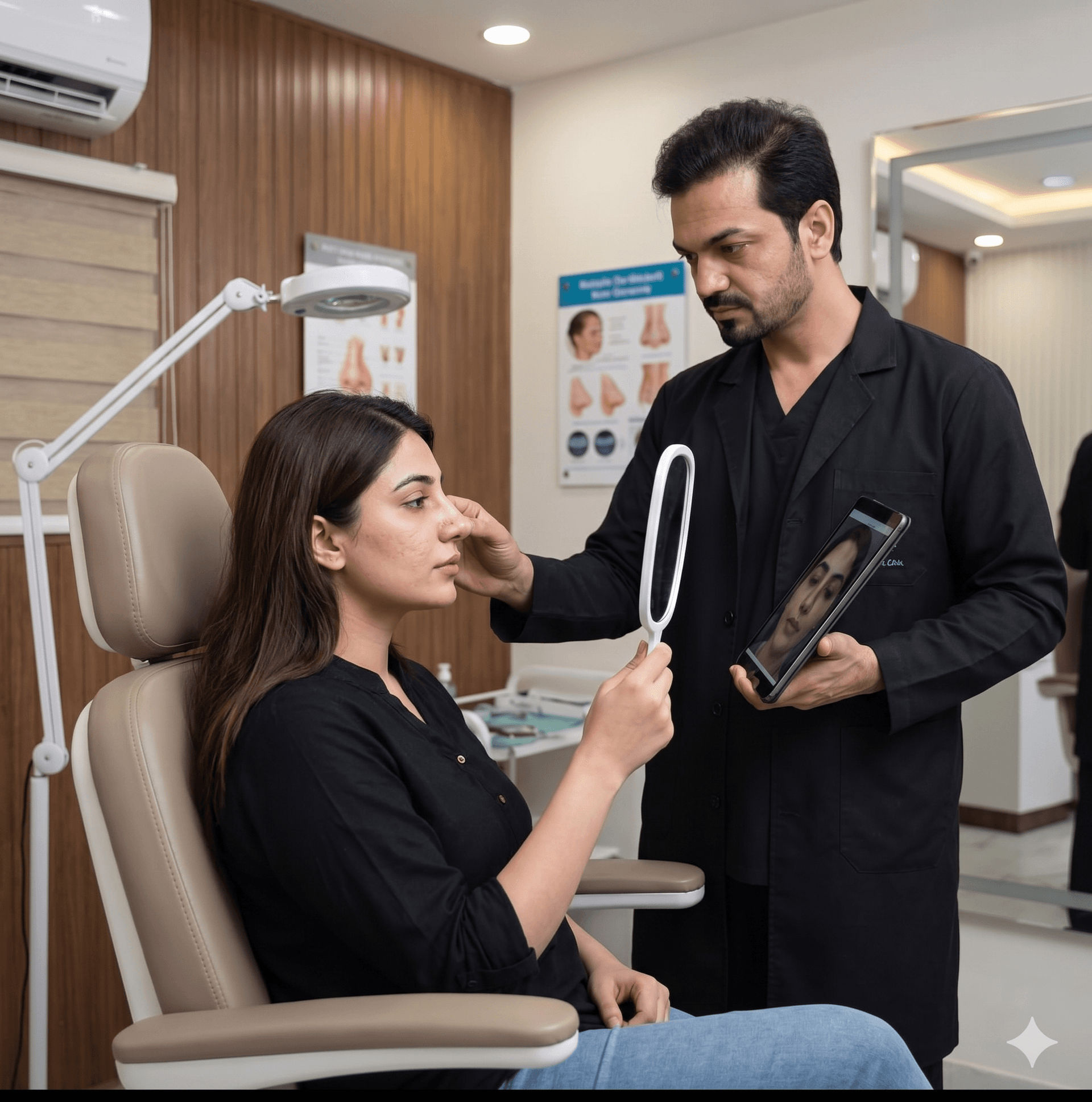
Cleft care is not a one-size procedure. I assess feeding history, speech, dental development, lip scar, nasal shape, palate function, and previous operations before advising a plan.


Individual Plan
Function, scar, and healing review
Realistic repair starts with careful assessment.
Dr. Zulqarnain Younas
Suitability
Cleft Concerns Commonly Discussed
Primary and secondary cleft care can involve function, appearance, speech, and long-term facial development.
Cleft lip repair planning
Cleft palate concerns
Secondary lip scar revision
Nasal asymmetry after cleft repair
Speech or palate function concerns
Staged adolescent or adult refinement
Consultation and Assessment
The Repair Plan Starts With Tissue, Function, and Timing
A reconstructive consultation reviews the medical history and the local problem together. Timing matters because swelling, infection risk, scar maturity, blood supply, and future treatment can change the safest plan.
Age and previous operations
Lip, nose, and palate anatomy
Speech and feeding history
Dental and orthodontic needs
Scar quality and symmetry
Timing of staged procedures
Treatment Options
A Realistic Reconstructive Approach
Treatment may include primary repair, secondary lip revision, cleft nose correction, palate assessment, scar refinement, and coordination with speech, dental, or orthodontic care when needed.
2
Palate repair assessment
3
Cleft nasal deformity correction
4
Lip scar and vermilion refinement
5
Functional palate review
6
Staged long-term planning
Recovery
Recovery, Scar Care, and Follow-Up
Recovery varies widely depending on the age of the patient and whether the procedure involves lip, nose, palate, or scar revision.
Lip and nose swelling usually settles gradually.
Palate-related procedures may require diet and activity adjustments.
Children need careful family support and follow-up.
Secondary refinements are often planned only after growth or healing milestones.
Safety
Safety and Realistic Expectations
Reconstructive surgery can improve function, coverage, comfort, and appearance, but it works within the limits of tissue quality, blood supply, scarring, health, and healing biology.
Medical history and wound assessment
Realistic functional and cosmetic goals
Staged planning when safer
Scar and healing guidance
Follow-up aftercare
Patient privacy
Philosophy
Cleft care should respect growth, speech, facial balance, and family expectations. The goal is steady progress, not rushed correction.
Cleft Lip & Palate FAQs
Is cleft treatment done in stages?
Often yes. Cleft care may involve multiple stages across childhood, adolescence, or adulthood depending on anatomy and previous treatment.
Can an adult have cleft scar or nose correction?
Yes, many adults seek secondary refinement for lip scars, nasal asymmetry, or residual cleft-related concerns. Suitability is assessed individually.
Does palate repair help speech?
Palate function can affect speech, but speech outcomes depend on anatomy, timing, therapy, and previous surgery. Assessment is needed before advising treatment.
Private Consultation
Plan Cleft Care With a Staged Approach
Bring previous operation notes, speech assessments, and photographs if available so the consultation can be more precise.